Poster Presentation International Celiac Disease Symposium 2026
The clinical utility of exome sequencing for risk stratification in celiac disease (#351)
Background: Celiac disease (CeD) screening in first-degree relatives relies on periodic serologic testing for tTG-IgA. Our understanding of the potential utilities of genetic testing among individuals with a positive family history remains limited.
Methods: We performed whole-exome sequencing (WES) in a cohort of 224 individuals, comprised of 107 cases with CeD and 117 unaffected relatives from 66 families. We imputed genetic ancestry and alleles for eight HLA genes. We assessed fourteen HLA-DQ genotypes, based on combinations of four CeD-associated risk haplotypes: DQ2.5, DQ2.2, DQ8.1, and DQ7.5. Familial segregation analysis was conducted to characterize the HLA linkage disequilibrium.
Results: Our cohort was predominantly of European genetic ancestry (87%), with a smaller representation of Admixed American (8%) and South Asian (4%). All CeD cases carried at least one established HLA-DQ risk haplotype, whereas 15% of family members lacked all four. Compared with at-risk controls, CeD cases showed a significant enrichment of high-risk (22.4% vs. 10.3%) and moderate-risk (64.4% vs. 35.9%) HLA-DQ genotypes. Conversely, low-risk genotypes predominated among unaffected relatives compared to cases (38.5% vs. 13.1%). The HLA-B*08:01 allele was more frequent in CeD patients than in unaffected controls (32.2% vs 16.7%). Among individuals of European ancestry, the A1-B8-C7-DR3 long haplotype was linked to DQ2.5 in 62% of cases, compared with 49% of at-risk controls. Stratification based on the weighted impact of fourteen HLA-DQ genotypes yields a more accurate risk assessment than assuming equal contributions from four risk haplotypes.
Conclusion:
WES enables stratification of first-degree relatives into discrete risk categories, identifying 10% as high risk and approximately 50% as having negligible genetic risk.
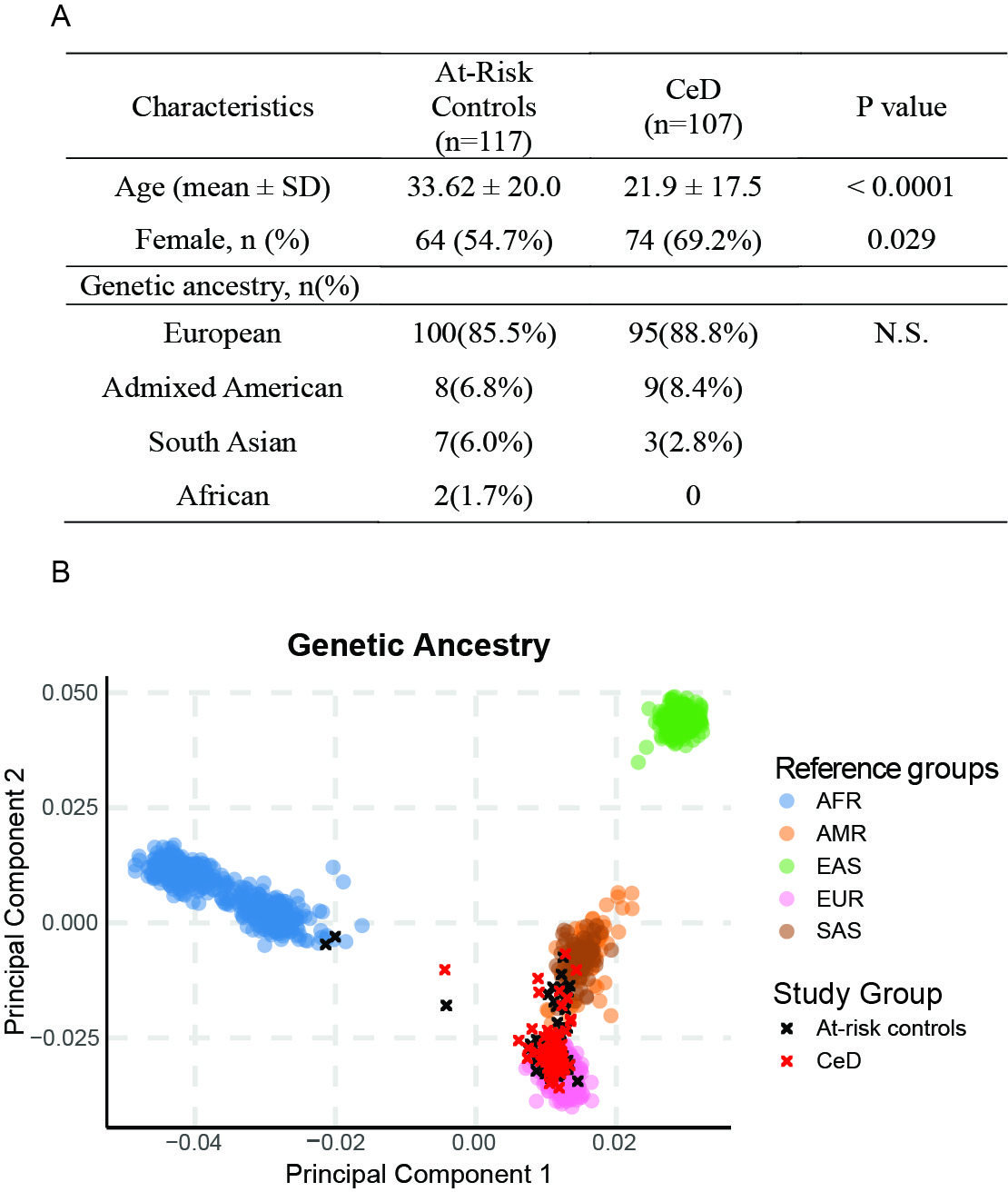
Figure 1. Characteristics and genetic ancestry of study participants.
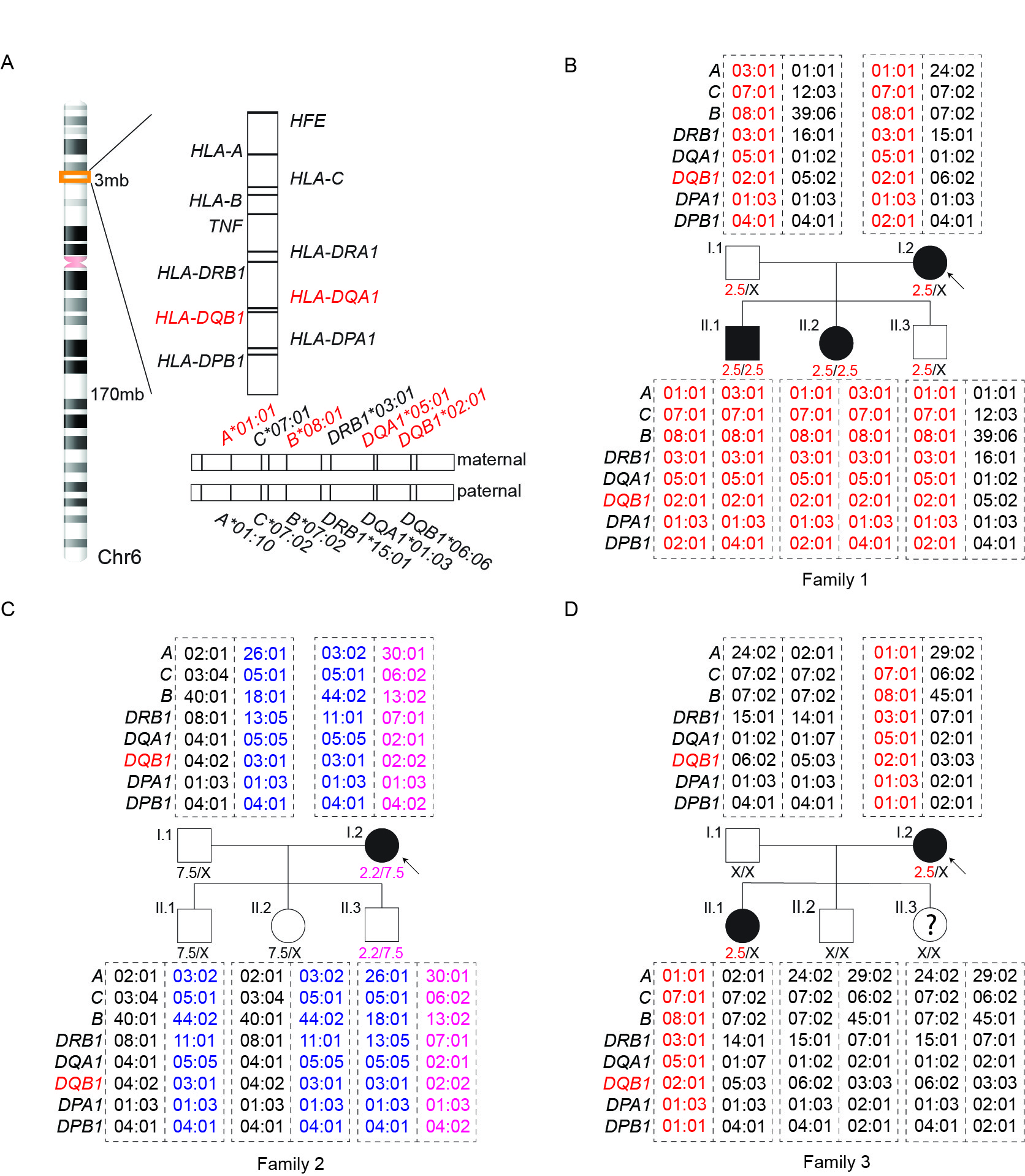
Figure 2. HLA genes and familial segregation of HLA alleles in three families
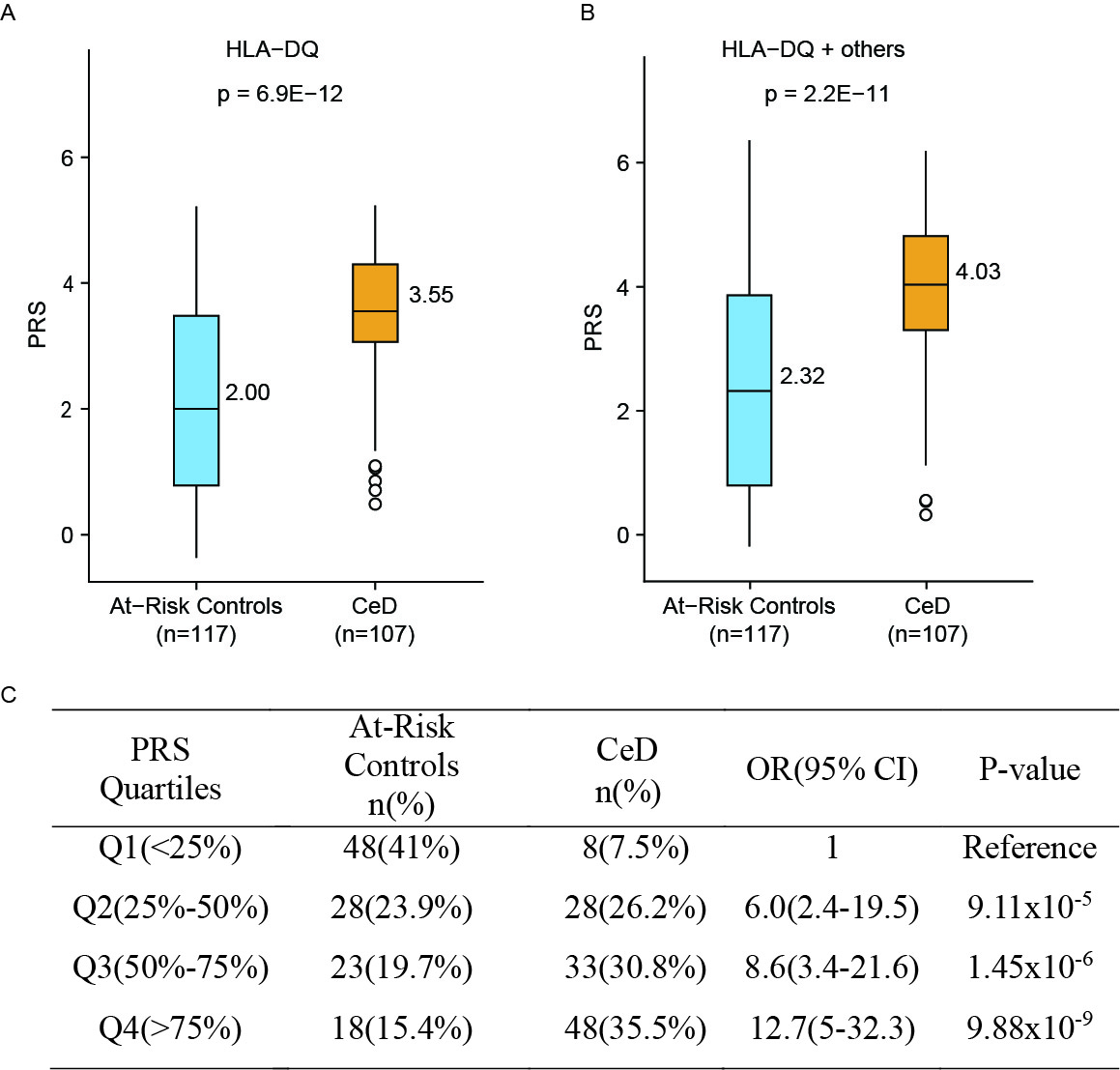
Figure 3. Genetic risk scoring for celiac disease risk stratification