Poster Presentation International Celiac Disease Symposium 2026
Haploinsufficiency for human ABCF1 underlies gastrointestinal autoimmunity (#363)
Celiac disease (CeD) affects 10% of first-degree relatives, but the underlying genetic drivers for this familial gastrointestinal inflammation remain unclear. Exome sequencing of multiplex families identified three affected individuals with a rare heterozygous loss-of-function (pLoF) variant in the ABCF1 gene. Further analysis of 246 heterozygous carriers of ABCF1 pLoF variants in the All of Us, UK Biobank, and BioMe cohorts showed an increased risk of CeD and inflammatory bowel disease (IBD). ABCF1-deficient cells, either from ABCF1+/- individuals or after genetic perturbation, exhibited constitutively elevated expression of interferon-stimulated genes, enhanced STAT1 and STAT3 phosphorylation in response to type I interferon, and heightened LPS-induced inflammatory responses. At the molecular level, ABCF1 binds to the ribosome, regulates the cellular stress response by inhibiting eIF2α phosphorylation, and functions in phase separation owing to its low-complexity domain. Stress stimuli recruit STAT1 and ABCF1 to stress granules, thereby limiting STAT1 phosphorylation. Abcf1-deficient mice developed more severe dextran sulfate sodium-induced colitis, driven by increased intestinal myeloid cell infiltration, which can be treated with JAK inhibition. We have thus discovered a new monogenic susceptibility to gastrointestinal autoimmunity characterized by dysregulated inflammatory responses and amenable to JAK inhibition.
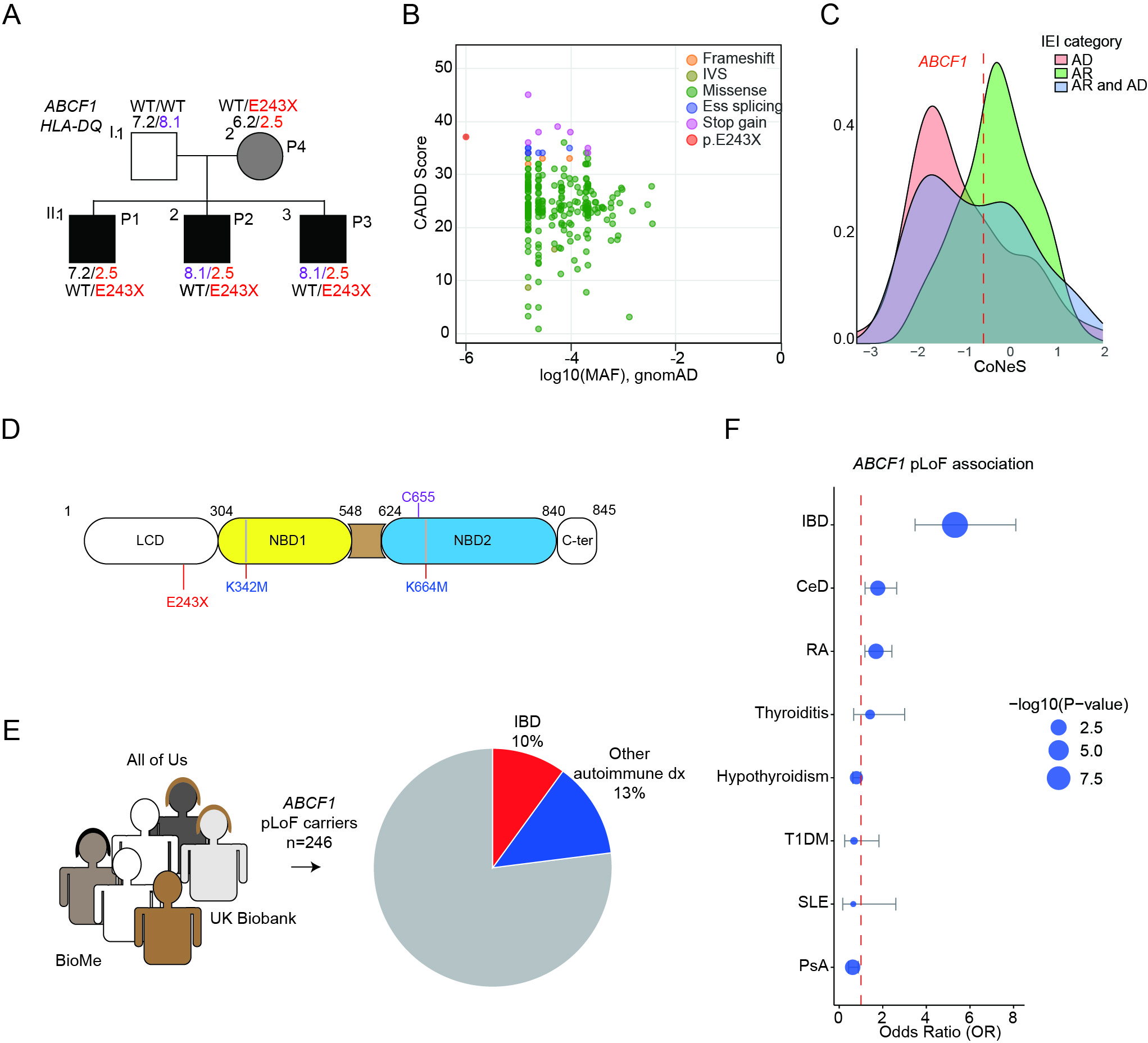
Figure 1. Discovery of ABCF1 pLoF variant in familial CeD and association with autoimmunity.
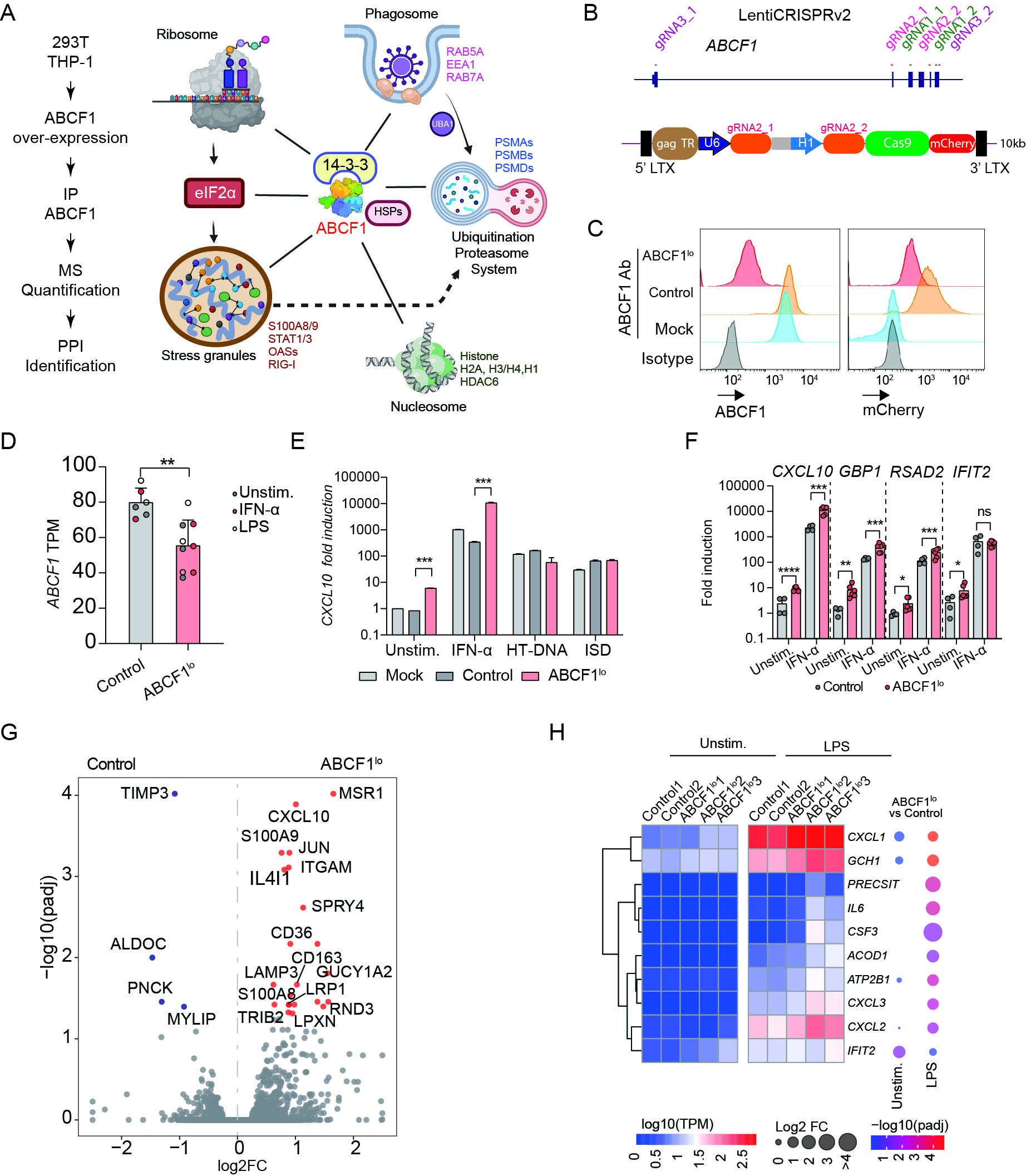
Figure 2. ABCF1 deficiency disrupts cellular responses to IFN-α and LPS.